


Buying property in Croatia as a foreigner
Buying property in Croatia as a foreigner is entirely possible, and many international buyers successfully complete transactions each year. The legal framework is clear, the land registry system is public, and Croatia’s EU membership has made the process significantly more accessible for buyers from European countries. At the same time, the rules differ depending on where you are from, what type of property you want to buy, and how the transaction is structured.
This guide covers everything a foreign buyer needs to understand before starting the process: who can buy, what approvals may be required, what the legal steps involve, what taxes and costs to expect, and where the most common problems arise. If you are at an earlier stage and want a broader overview of the purchase process itself, our guide on buying real estate in Croatia provides useful additional context.
Can Foreigners Buy Property in Croatia?
Yes, foreigners can buy property in Croatia, but the conditions depend on the buyer’s nationality and on the category of property being purchased. The legal position for EU and EEA citizens is straightforward. For nationals of countries outside the EU and EEA, additional requirements apply.
The key distinction in Croatian property law is between EU/EEA nationals and third-country nationals. This distinction affects whether you can buy freely, whether you need prior ministerial approval, and whether certain types of land are available to you at all. Understanding which category applies to your situation is the starting point for any property purchase in Croatia.
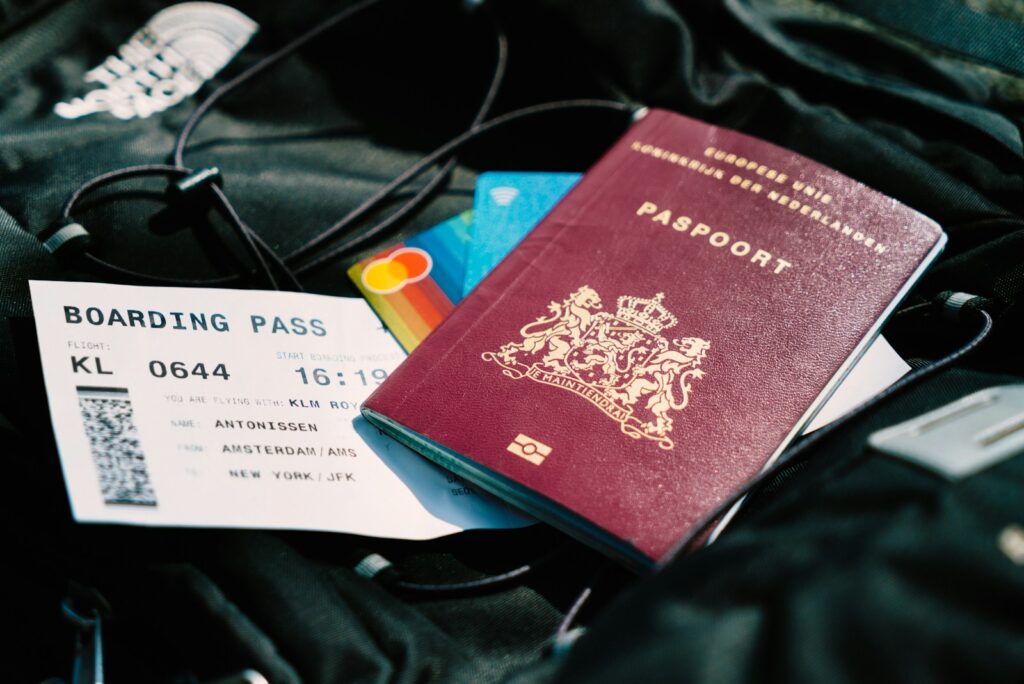
EU and EEA Citizens: Buying Property in Croatia Without Restrictions
If you are a citizen of an EU or EEA member state, you can purchase most types of real estate in Croatia under the same conditions as Croatian citizens. No prior approval from any government authority is required. This position has been in place since Croatia’s EU accession and reflects the fundamental freedoms of the European internal market.
This means that buyers from Germany, Austria, the Netherlands, France, Sweden, and all other EU and EEA countries can proceed directly to the purchase process without obtaining any preliminary consent from Croatian authorities. The same applies to Swiss nationals and citizens of Norway, Iceland, and Liechtenstein under applicable bilateral arrangements.
The practical steps for EU buyers are the same as for any property purchase in Croatia: obtaining an OIB, conducting legal due diligence, signing the purchase agreement, and registering ownership in the land register. Our overview of the real estate purchase process in Croatia explains these steps in detail.
Non-EU Nationals: Reciprocity and Ministry of Justice Approval
If you are a national of a country outside the EU and EEA, the position is more nuanced. Croatia applies a reciprocity principle for property purchases by third-country nationals: citizens of countries whose laws permit Croatian nationals to acquire real estate may also acquire real estate in Croatia.
What Is the Reciprocity Principle?
Reciprocity in this context means that Croatia grants foreign nationals the right to buy property to the same extent that their home country grants that right to Croatian nationals. If your country allows Croatians to buy property freely, Croatia will generally allow you to buy property in Croatia.
For US citizens, reciprocity is presumed to exist at the federal level, though in practice it is assessed on a state-by-state basis given the decentralised nature of US property law. For citizens of the United Kingdom, Canada, Australia, and many other non-EU countries, reciprocity agreements are generally in place, but the specific position should always be verified before a purchase is committed to.
The Ministry of Justice Approval Process
Even where reciprocity exists, third-country nationals must obtain formal consent from the Croatian Ministry of Justice before they can complete a property purchase. This is not a discretionary approval in most cases where reciprocity is established, but it is a mandatory procedural step that takes time.
The application is submitted to the Ministry of Justice and must include documentation about the applicant, the property, and the proposed transaction. Processing times vary but can range from two to six months in practice. This timeline needs to be factored into the transaction structure from the outset, particularly when agreeing on the timeframe for signing the main contract and completing payment.
During the approval period, it is common for the parties to enter into a preliminary agreement that is conditional on the Ministry’s consent. The structure of this preliminary arrangement needs to be carefully handled to protect the buyer’s position and deposit during the waiting period.
Countries Without Reciprocity
Not all non-EU countries have reciprocity arrangements with Croatia. Where no reciprocity exists, direct personal ownership of real estate in Croatia may not be available to nationals of that country. In such cases, purchasing through a Croatian company is sometimes considered as an alternative approach, though this route involves its own legal and tax considerations.
What Types of Property Can Foreigners Buy in Croatia?
The type of property matters as much as the buyer’s nationality. Even for EU citizens, certain categories of Croatian land are subject to restrictions.
Agricultural land in Croatia has historically been subject to restrictions for non-Croatian buyers. Since July 2023, EU citizens can purchase agricultural land under applicable conditions, but for third-country nationals, direct personal ownership of agricultural land remains generally unavailable. Purchase through a Croatian company is one route sometimes used in this context.
Forest land, properties in protected natural areas, and cultural monuments are subject to separate restrictions that apply regardless of the buyer’s nationality. These categories require specific legal assessment before a purchase is attempted.
Apartments, houses, commercial properties, and building land in urban and coastal areas are generally accessible to EU nationals without restriction and to non-EU nationals subject to reciprocity and ministry approval. These represent the vast majority of transactions involving foreign buyers.
Getting Your OIB: The First Practical Step
Every foreign buyer in Croatia will need a Croatian personal identification number, known as an OIB (osobni identifikacijski broj). The OIB is required for the purchase agreement, for tax registration, for land registry transactions, and for most administrative processes connected with property ownership in Croatia.
EU citizens can obtain an OIB through the Croatian Tax Administration, either in person at a local office or through a Croatian diplomatic mission abroad. Non-EU nationals can also apply through these channels, and in many cases, a Croatian lawyer acting under a power of attorney can obtain the OIB on the buyer’s behalf, which is particularly useful for buyers completing the transaction remotely.
Ready to Start Your Property Purchase in Croatia?
Whether you are an EU national buying freely or a third-country buyer navigating the approval process, Kontić Legal provides full legal support from the first check to final registration.
The Legal Process for Foreign Buyers: Step by Step
1. Confirm Your Eligibility to Purchase
Before anything else, confirm whether you can purchase the specific type of property you are interested in. For EU nationals, this is usually straightforward. For non-EU nationals, this means verifying whether a reciprocity arrangement exists between your country and Croatia, and whether the property category you are considering is available to you.
2. Obtain Your OIB
Apply for your Croatian tax identification number. This can often be arranged early in the process and does not require you to be physically present in Croatia if a properly authorised representative is handling it on your behalf.
3. Engage a Property Lawyer and Begin Due Diligence
Legal due diligence should begin before any financial commitment is made. This covers ownership verification, land registry review, encumbrances, building legality, use permits, and the alignment between legal records and the physical situation of the property. Our separate guide on how to check property ownership in Croatia explains what the land registry shows and what red flags to look for.
4. Apply for Ministry of Justice Approval (Non-EU Buyers)
If you are a non-EU national and reciprocity is established, the application for ministerial consent should be submitted early so that the approval process runs in parallel with the other preparation steps. Your lawyer will prepare and submit the application on your behalf and manage correspondence with the Ministry.
5. Sign the Pre-Contract
Where a deposit is to be paid before the main contract is signed, a pre-contract formalises the arrangement and protects both parties. For non-EU buyers, the pre-contract should be structured to account for the pending ministerial approval and should clearly set out what happens to the deposit if approval is delayed or refused.
6. Sign the Sale and Purchase Agreement
The main agreement must cover the parties, the property, the price, payment terms, possession handover, seller obligations, tax matters, and the registration consent. The seller’s signature must be notarised for land registry purposes. The contract should be tailored to the specific transaction and should not be treated as a standard template.
7. Register Ownership in the Land Register
Completion of a property purchase in Croatia requires registration of ownership in the land register (zemljišna knjiga). The contract alone is not sufficient to establish full legal ownership. Registration is the final and legally essential step that confirms your title and protects it against third parties.
Taxes and Costs When Buying Property in Croatia as a Foreigner
Real Estate Transfer Tax
In most transactions involving existing (resale) property, the buyer pays real estate transfer tax at a rate of 3% of the property’s market value as assessed by the Croatian Tax Administration. This is the primary tax cost in a standard residential purchase and applies equally to Croatian nationals and foreign buyers.
Where the seller is a VAT payer and the transaction involves newly built property, VAT applies instead of transfer tax. The two taxes are mutually exclusive: only one applies in any given transaction, depending on the nature of the sale and the seller’s status.
Annual Property Tax (from 2025)
A significant change took effect in Croatia in 2025. The former holiday home tax was replaced by a broader annual property tax that applies to residential real estate not used as a primary residence. The tax is set by individual municipalities and ranges from 0.60 to 8.00 euros per square metre per year, depending on the location and classification of the property.
For foreign buyers purchasing a holiday home or an investment property in Croatia, this annual tax is now a relevant ongoing cost to factor into the financial planning for the purchase. The applicable rate will depend on the municipality where the property is located.
Other Transaction Costs
In addition to taxes, a buyer should budget for legal fees, notary costs related to signature certification, land registry fees, translation or certification costs if foreign documents are involved, and agency commission where an agent has been used. The total transaction costs beyond the purchase price are typically in the range of 4 to 6% of the purchase price, depending on the specific circumstances.
Not Sure What Costs Apply to Your Purchase?
Tax treatment varies by transaction type, seller status, and property classification. We can review your specific situation and give you a clear picture of what to expect before you commit.
Buying Property in Croatia Through a Croatian Company
Some foreign buyers consider purchasing property through a Croatian company rather than in their personal name. This approach is sometimes used by investors, buyers of agricultural land where personal ownership is restricted, or those with specific tax and exit strategy considerations.
A Croatian company can generally acquire real estate in Croatia without the nationality restrictions that apply to individual buyers. For non-EU nationals who face significant delays or uncertainty in the Ministry of Justice approval process, purchasing through a Croatian entity may offer a more predictable route in certain cases.
However, this approach introduces additional legal, tax, and administrative considerations. Operating a Croatian company involves ongoing compliance obligations, accounting requirements, and tax reporting. The overall structure needs to be assessed carefully against the actual investment goals and exit plans of the buyer.
More information on setting up a legal entity for property investment is available on our Company Formation in Croatia page, and on the broader Commercial Real Estate services page.
Can Buying Property in Croatia Lead to Croatian Residency?
Property ownership in Croatia does not automatically confer any right of residence. Owning a home or apartment in Croatia does not, on its own, entitle a foreign national to live in the country beyond the periods permitted by their existing visa or entry conditions.
That said, property ownership is often part of a broader relocation plan, and several residence pathways are available to foreign nationals who wish to spend more time in Croatia. These include temporary residence permits based on various qualifying grounds, the Digital Nomad residence scheme for remote workers, and longer-term options such as permanent residency.
For buyers who intend to spend extended periods in Croatia after purchasing, planning the residence side of the move at the same time as the property transaction is strongly advisable. The two processes are separate but benefit from being coordinated from the outset.

Common Mistakes Foreign Buyers Make When Buying Property in Croatia
Most problems in foreign property purchases in Croatia are avoidable. The following are the issues that arise most frequently in practice.
Paying a Deposit Before Legal Review
One of the most common mistakes is paying a reservation deposit or signing a preliminary agreement before any legal review of the property has taken place. By the time due diligence reveals a problem, the buyer has already committed financially and the negotiating position has changed.
Not Verifying Co-ownership
Properties in Croatia are frequently co-owned, particularly those that have passed through inheritance. A seller who presents themselves as the sole owner may legally be only one of several co-owners, and a purchase without the consent of all co-owners is legally problematic. Checking the land register before signing anything is essential.
Relying on the Agent as the Only Adviser
Real estate agents in Croatia represent the transaction, not the buyer’s legal interests. An agent’s incentive is to complete the sale. Independent legal advice from a property lawyer who acts exclusively for the buyer is a different and necessary function that an agent cannot fulfil.
Ignoring Building Legality
A property that physically exists and is occupied does not automatically have all the permits it should have. Unauthorised construction is a known issue in Croatia, particularly in coastal areas and for older properties. Buying a property with unresolved legality issues transfers those problems to the new owner.
Underestimating the Ministry Approval Timeline
Non-EU buyers who do not account for the Ministry of Justice approval timeline in the transaction structure sometimes find themselves in a difficult position when the approval takes longer than expected and the seller is no longer willing to wait. Proper structuring of the pre-contract stage addresses this risk.
Treating Land Registry Registration as Optional
Some buyers, particularly those accustomed to property systems in other countries, assume that signing the contract and paying the price completes the transaction. In Croatia, land registry registration is the legally essential final step. Without it, the buyer’s ownership is not fully protected under Croatian property law.
Why Foreign Buyers Need a Property Lawyer in Croatia
The case for legal representation is stronger for foreign buyers than for domestic ones. A foreign buyer is typically less familiar with Croatian administrative practice, may be relying on translated or interpreted information, and is often completing the transaction remotely without being present in Croatia for every step.
A property lawyer in Croatia acting for a foreign buyer manages the due diligence, prepares or reviews the contracts, handles the OIB process, coordinates with the notary, manages any Ministry of Justice application where required, and ensures that the land registry registration is completed correctly. They also serve as the buyer’s point of contact with all Croatian parties and authorities throughout the process.
Remote representation through a power of attorney means that a foreign buyer can complete the entire transaction without needing to be present in Croatia for most or all of the steps. This is a practical and widely used arrangement that works well when the legal side is handled correctly from the beginning. You can find a full overview of our services on the Legal Services page.

How Kontić Legal Helps Foreign Property Buyers
Kontić Legal is a Zagreb-based law office providing legal support to Croatian and international clients on real estate and related matters. We work with foreign buyers at every stage of the purchase process, from the initial eligibility check through to final land registry registration.
For EU buyers, we handle due diligence, contract drafting and review, OIB assistance, and registration management. For non-EU buyers, we add Ministry of Justice application preparation, transaction structuring around the approval timeline, and coordination of all steps with the wider legal and administrative process.
We are experienced in remote transactions and can represent clients under a power of attorney throughout the full purchase process. Whether you are buying an apartment in Zagreb, a coastal property, or a commercial asset, we provide the legal review and practical management your purchase requires. Read more about our firm on our About Us page.
Frequently Asked Questions
-
Can foreigners buy property in Croatia?
Yes. EU and EEA citizens can buy most types of real estate in Croatia under the same conditions as Croatian nationals, without prior approval. Non-EU nationals can generally buy under the reciprocity principle, but must obtain consent from the Croatian Ministry of Justice before completing a purchase. The specific rules depend on the buyer’s nationality and the type of property.
-
Do US citizens need Ministry of Justice approval to buy property in Croatia?
Yes, in most cases. US citizens fall under the non-EU category and must obtain Ministry of Justice approval before completing a property purchase in Croatia. Reciprocity between the US and Croatia is generally presumed to exist, but the formal consent process still applies. The approval process typically takes two to six months and should be accounted for in the transaction structure from the beginning.
-
Can foreigners buy agricultural land in Croatia?
EU citizens have been able to purchase agricultural land in Croatia under applicable conditions since July 2023. For non-EU nationals, direct personal ownership of agricultural land in Croatia is generally not available. Purchase through a Croatian company is sometimes considered as an alternative, but this involves additional legal and tax considerations.
-
What taxes do foreigners pay when buying property in Croatia?
The main tax in most resale transactions is real estate transfer tax at 3% of the assessed market value. Where the seller is a VAT payer and the property is newly built, VAT applies instead. From 2025, an annual property tax also applies to residential properties not used as a primary residence, ranging from 0.60 to 8.00 euros per square metre depending on the municipality.
-
Does buying property in Croatia give me the right to live there?
No. Property ownership in Croatia does not automatically grant any residence rights. However, various residence options may be available depending on your circumstances, including temporary residence permits, the Digital Nomad residence scheme for remote workers, and longer-term permanent residency pathways. If you plan to spend significant time in Croatia after buying, the residence side of the move should be planned alongside the property purchase.
-
Can I buy property in Croatia without visiting?
Yes. It is possible to complete most or all of a Croatian property purchase remotely through a properly issued power of attorney. A Croatian property lawyer acting under that authority can manage due diligence, OIB registration, contract signing, Ministry of Justice applications, and land registry registration on your behalf. This is a common and practical arrangement for international buyers.
-
Do I need a lawyer to buy property in Croatia as a foreigner?
There is no strict legal requirement for a buyer to be represented by a lawyer in every transaction. In practice, however, having a property lawyer who acts exclusively for your interests is one of the most important protections available to a foreign buyer. The lawyer conducts due diligence, manages the legal process, handles the Ministry of Justice application where applicable, and ensures that the transaction is completed correctly from first step to land registry registration.
-
How long does it take to buy property in Croatia as a non-EU foreigner?
For EU buyers, a straightforward transaction can be completed in a matter of weeks once the legal review is complete. For non-EU buyers requiring Ministry of Justice approval, the process is longer because of the approval timeline, which typically adds two to six months. The overall duration depends on the complexity of the transaction, the state of the documentation, and whether any issues arise during due diligence.
Contact a Property Lawyer in Zagreb
If you are planning to buy property in Croatia as a foreigner and want to understand the legal process, confirm your eligibility, or have a specific transaction reviewed, Kontić Legal is ready to assist.
We advise EU and non-EU buyers at every stage of the purchase process and are equipped to manage transactions fully remotely. Whether you are at the research stage or ready to move forward with a specific property, we provide clear, practical legal support tailored to your situation.
Contact Kontić Legal to discuss your purchase and get the legal guidance your transaction requires.